Optimising Business Operations with the Right AI Tools
In today’s fast-moving digital economy, businesses are under constant pressure to do more with less—less time, fewer resources, and tighter margins. This is where Artificial Intelligence (AI) is no longer a luxury, but a strategic advantage.
The real power of AI isn’t in flashy tech or complex systems. It’s in optimising everyday business operations, reducing friction, and creating smarter workflows that free up people to focus on what truly matters: growth, relationships, and results.
This article explores how businesses can optimise operations by choosing and implementing the right AI tools.
Why Business Optimisation Matters More Than Ever
Many businesses don’t fail because of a lack of ideas or customers—they struggle because operations become:
Overly manual
Inconsistent
Time-intensive
Dependent on individuals rather than systems
AI helps transform businesses from reactive to system-driven, enabling consistency, scalability, and efficiency across operations.
What Does “Optimising with AI” Actually Mean?
Optimising business operations with AI means using intelligent tools to:
Automate repetitive tasks
Improve decision-making with data
Standardise workflows
Reduce human error
Increase speed without sacrificing quality
Importantly, optimisation isn’t about replacing people—it’s about supporting them.
Key Areas Where AI Optimises Business Operations
1. Automation of Repetitive Tasks
AI excels at handling tasks that are necessary but time-consuming, such as:
Content scheduling and posting
Data entry and updates
Lead follow-ups and notifications
Routine reporting
By automating these processes, businesses reclaim hours every week while ensuring tasks are completed consistently.
2. Smarter Workflow Management
AI-powered tools can connect multiple systems and processes into a seamless workflow:
From enquiry → follow-up → conversion
From content creation → scheduling → publishing
From data collection → analysis → action
This removes bottlenecks and reduces the need for manual intervention.
3. Data-Driven Decision Making
AI tools analyse large volumes of data far faster than humans, identifying patterns and trends that would otherwise be missed.
This allows businesses to:
Understand what’s working (and what isn’t)
Optimise timing, messaging, and channels
Allocate resources more effectively
Decisions become proactive rather than reactive.
4. Consistency Across Operations
One of the biggest operational challenges is inconsistency—especially in marketing and communication.
AI systems ensure:
Regular output without relying on memory
Brand-aligned messaging
Predictable execution
Consistency builds trust, visibility, and long-term momentum.
Choosing the Right AI Tools for Your Business
Not all AI tools are created equal. The right tools are those that align with your actual business needs—not ones that add complexity.
When choosing AI tools, ask:
What process am I trying to optimise?
Is this task repetitive or rules-based?
Will this tool save time or reduce friction?
Does it integrate with existing systems?
The best AI tools feel invisible—they quietly work in the background.
Common Mistakes to Avoid When Adopting AI
Over-engineering: starting with overly complex systems
Tool overload: using too many disconnected platforms
No clear goal: implementing AI without a defined outcome
Ignoring adoption: not making tools easy for teams to use
AI should simplify operations, not complicate them.
AI Optimisation in Action: A Real-World Example
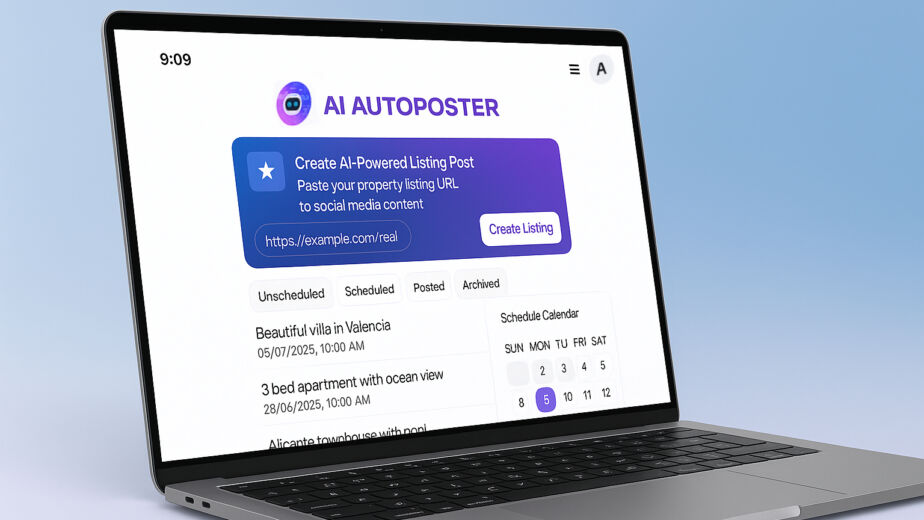
Many service-based businesses struggle with inconsistent online visibility because posting is done manually.
By using AI to:
Automatically schedule content
Repurpose listings or updates
Maintain a steady online presence
They optimise marketing operations without increasing workload—resulting in more enquiries and better brand visibility.
This is a perfect example of AI optimising operations without disrupting the business.
The Future of Operational Efficiency Is AI-Led
Businesses that adopt AI early benefit from:
Leaner operations
Lower overheads
Faster execution
Scalable systems
Those that delay often remain stuck in manual processes that limit growth.
AI is quickly becoming the foundation of modern business operations—not an add-on.
Final Thoughts
Optimising business operations with the right AI tools isn’t about chasing trends. It’s about building systems that:
Support your team
Protect your time
Create consistency
Enable sustainable growth
The most successful businesses of the next decade will be those that quietly use AI to run smarter, smoother, and more efficiently behind the scenes.
If you’re ready to reduce manual workload and optimise how your business operates day-to-day, AI-powered automation is the smartest place to start.
Looking to optimise your business operations with simple, practical AI tools?
Visit www.theaiautoposter.com and discover how automation can work for you—without the overwhelm.